Northern coast · Sri Lanka
Cut by hand, dried by sun.
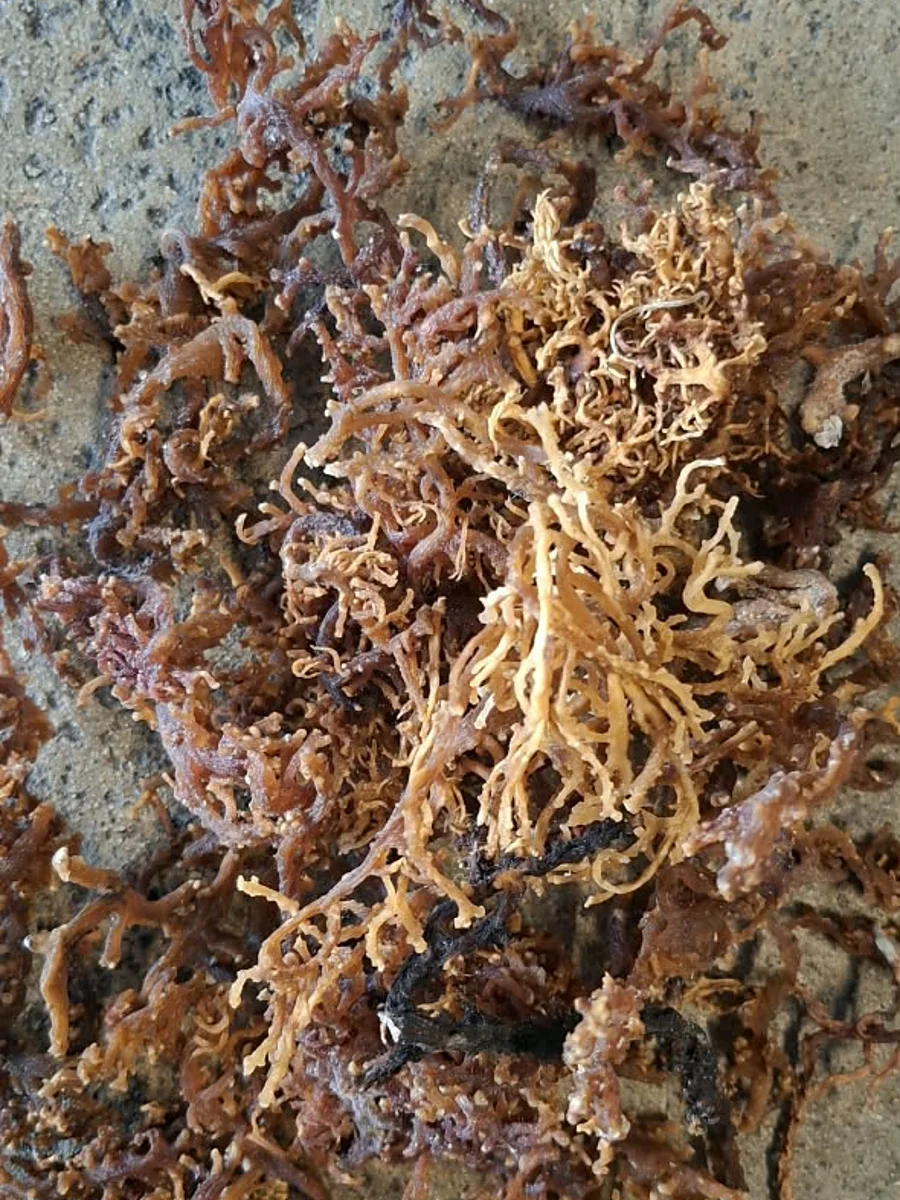
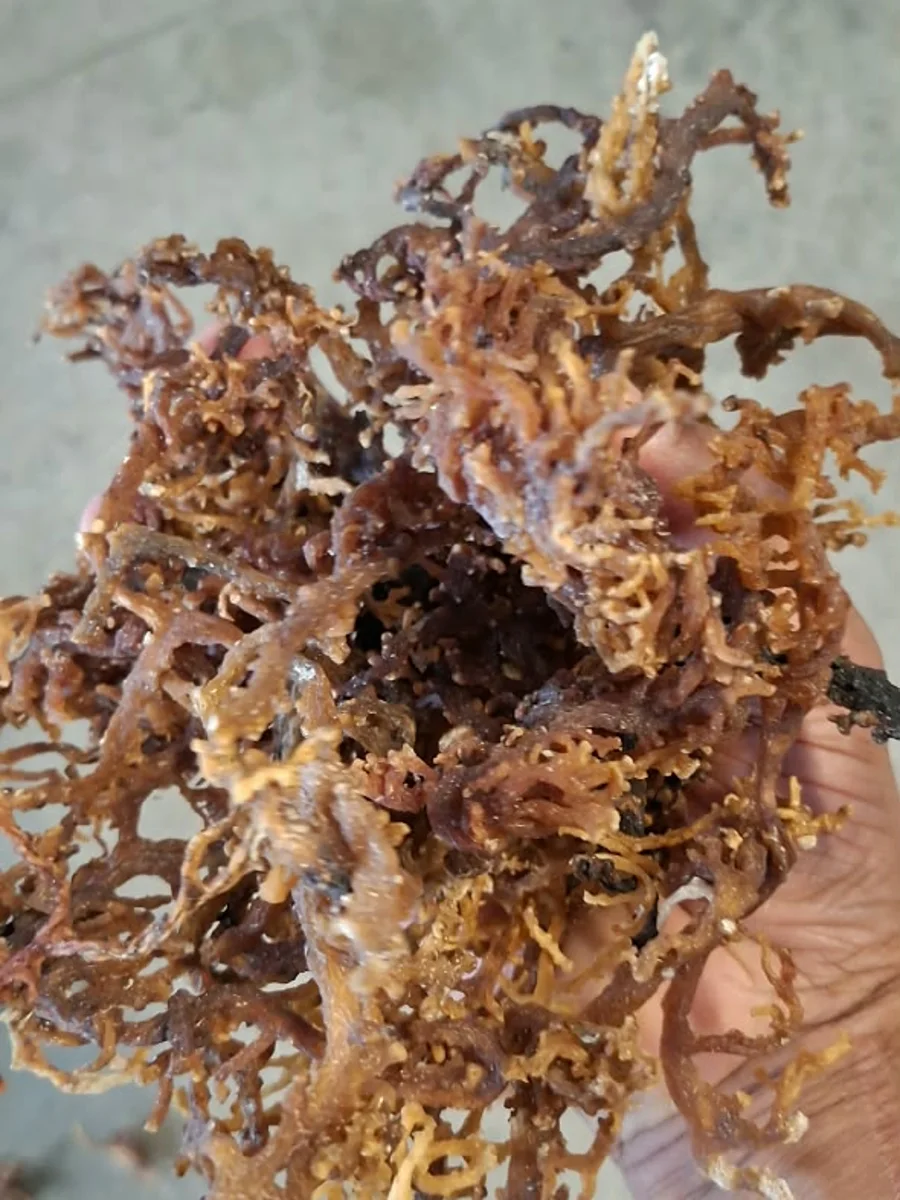
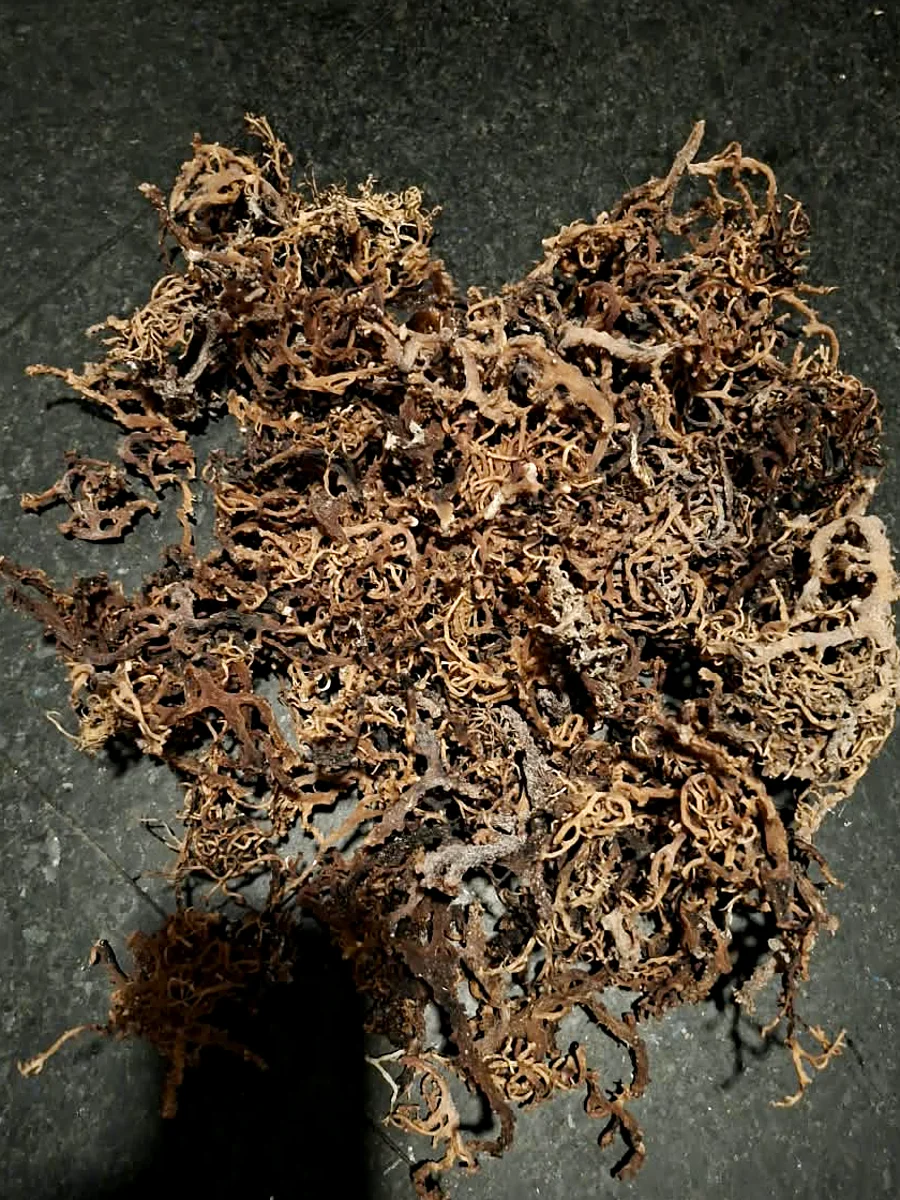
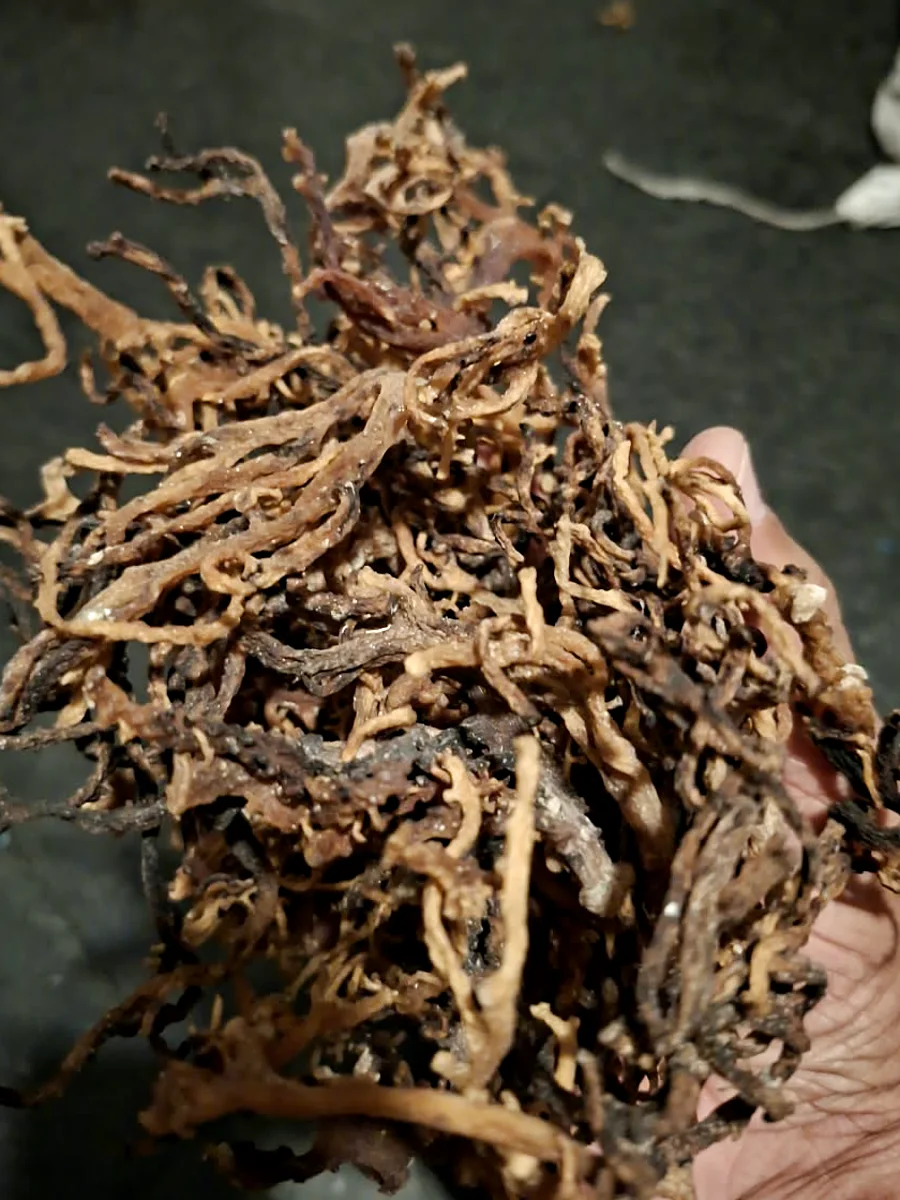
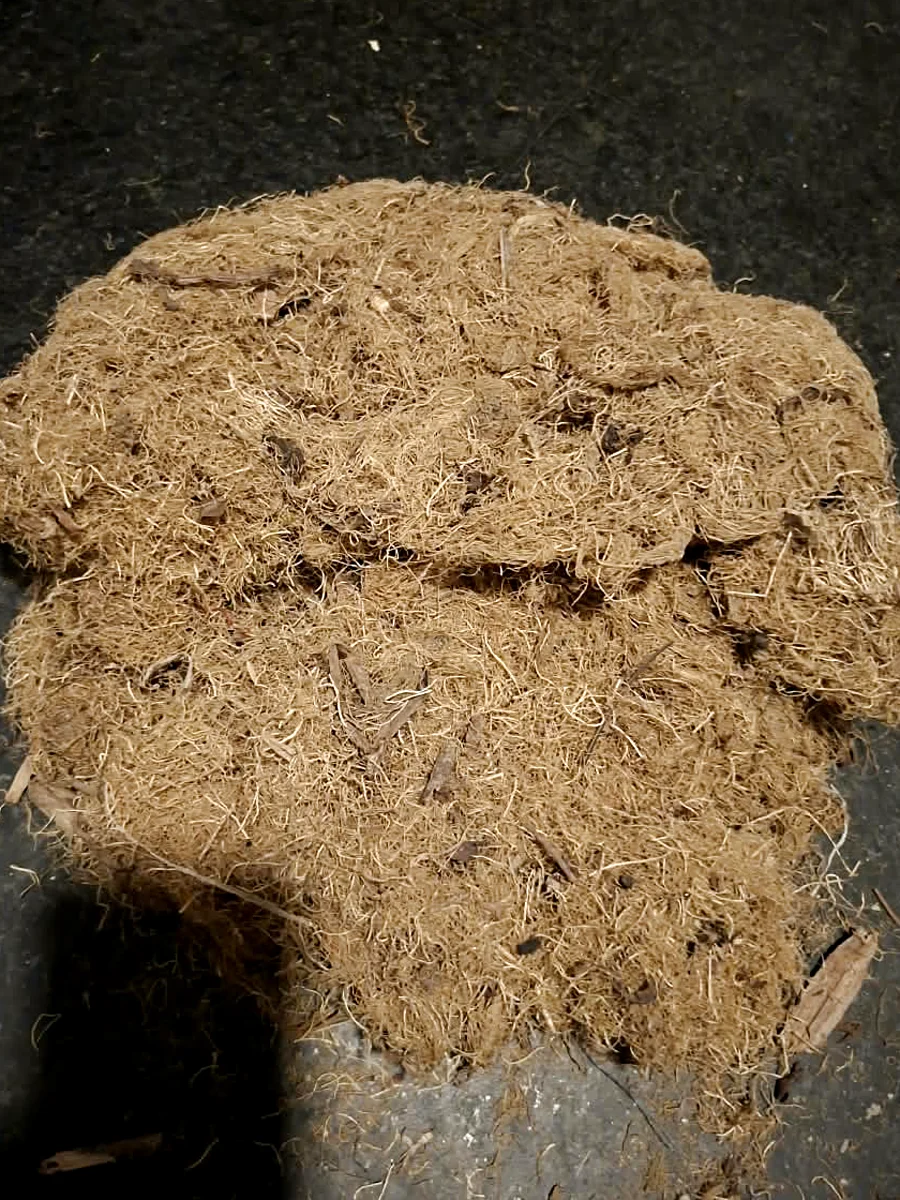
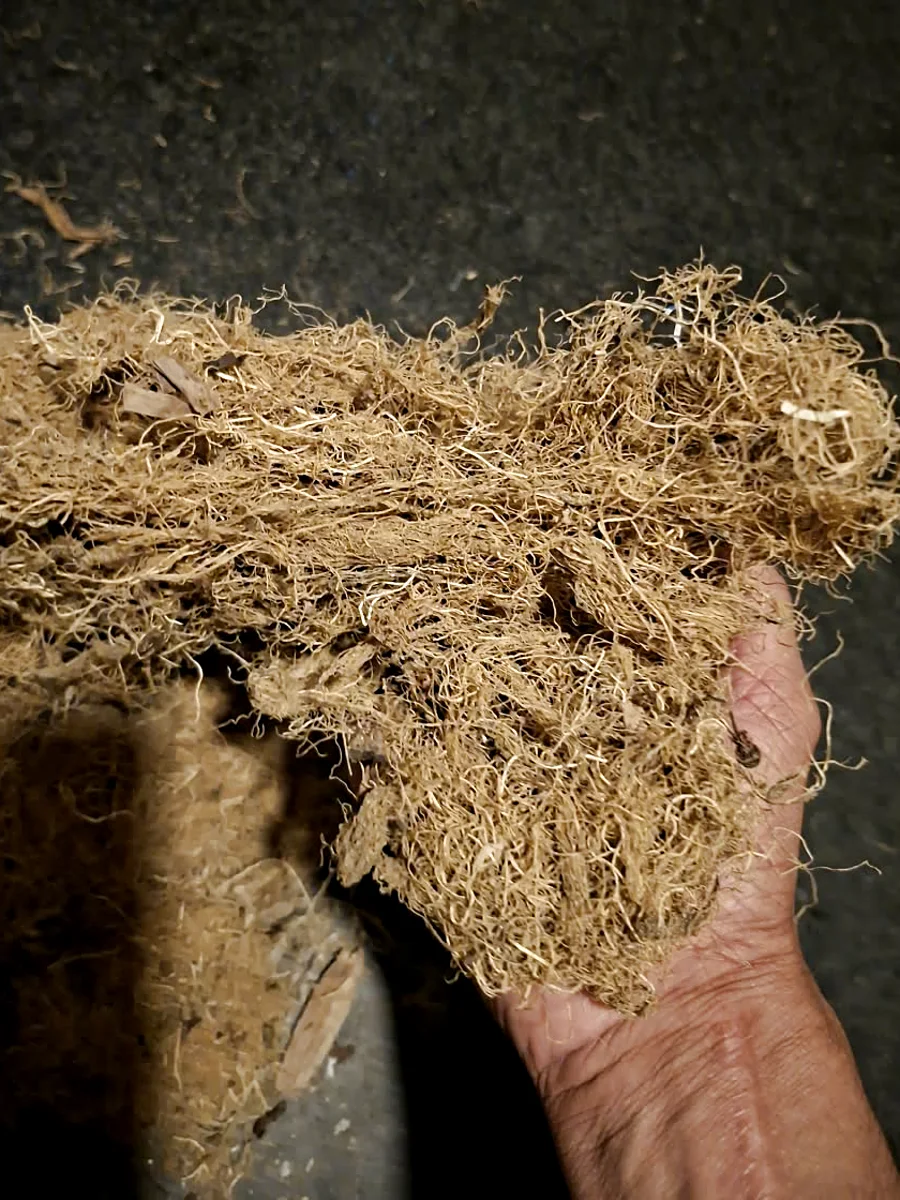
Raw Kappaphycus alvarezii cultured on staked line, and wildGracilaria verrucosa from the same coast.
Indicative ranges for the species · pending lab report
The crop, as it is
Photographs by Ceylon Seaweeds · 29 August 2026
01 · The water
Where it grows decides what it is.
The northern coast gives this crop the two things it cannot be forced to have: water between 25 and 30 degrees, and a salinity that holds steady through the season. Seaweed is not improved after harvest. It is either grown in the right water or it is not.
Ours is grown in sea that carries no industrial discharge, on line staked in shallow ground where the light reaches. Nothing is added to the crop while it grows and nothing is added to it after.
What the crop is
A field, except the field is the sea.
Unpolluted sea
Grown off the northern coast, on ground that carries no industrial discharge.
Cut by hand
No machinery and no chemistry, from the line through to the bale.
Two species, sorted
Cultured Kappaphycus alvarezii and wild Gracilaria verrucosa, each sorted by hand before it is pressed.
Coastal families
The people who grow the crop are the people who process it.
02 · The method
No machinery, no chemistry.
The method is old because it works, and because it is what keeps the crop clean enough to sell as raw. It also means the people who grow it are the people who process it. The work stays in the coastal families who do it.
Cut
By hand, from the staked line, when the thallus has reached weight.
Washed
In seawater, on the shore, to take the sand and the small crop off.
Dried
Laid out in the sun until it holds. No heat, no additive.
Sorted
By hand, by eye. Foreign matter and off-grade material come out here.
Baled
Pressed and tied for despatch. Bale format is agreed per order.
03 · The species
Kappaphycus
alvarezii
Traded as Eucheuma cottonii. It is the kappa-carrageenan species, the one used where a firm, brittle gel is wanted: dairy, processed meat, pet food, and the gelling end of personal care.
If you are sourcing lambda carrageenan you want E. spinosum, and we would rather tell you that now than after a sample.
Full specification03 · Wild-harvested
Gracilaria verrucosa
Gathered from the same coast, not farmed. It is an agar species, the one wanted where a clear gel that sets on cooling is needed: food, culture media, and the pharmaceutical end.
Dried and sorted the same way as the cultured crop. Availability follows the wild stand and the season, so ask for what is on hand rather than a yearly figure.
04 · Capacity
1,000tonnes a year
That is what the operation produces annually, and it is the honest ceiling rather than an aspiration. Against a requirement we will tell you what we can commit to and by when, including where a volume would need a season's notice.
Tell us the tonnage, the destination port and the Incoterm you work on, and you will get a straight answer.
05 · Standing
What we claim, and what backs it.
The crop supports coastal families directly. Certification document to be published here.
Registration and endorsement documents to be published here.
Issued per shipment. Specimen to be published here.
Tell us what you need, by the tonne.
Volume, destination port, intended application and your Incoterm. That is enough for us to come back with something real.
Request a quotation